

Our latest sustainability report sets out how manufacturers and processors can turn waste from a cost into a strategic advantage. This isn’t just about compliance, it’s about clearer data, lower costs and a stronger environmental narrative.
For many UK manufacturers, waste management has traditionally stayed in the back office, something to be collected, invoiced and forgotten about. With changing net-zero expectations, resource costs, and reporting demands, waste streams are now a strategic priority and even a source of revenue.
Our sustainability report shows what this shift can look like in practice. It outlines how a data-driven, circular approach to waste can cut carbon emissions, improve productivity, and strengthen skills across manufacturing supply chains. It points to a move from paying to get rid of waste towards using waste data as an operational performance metric.
One key theme of the report is that good waste management delivers the greatest benefits for both carbon and cost. We focus first on helping prevent waste, then on maximising reuse and repurposing. Only then do we look at recycling what’s left, with recovery and disposal as last resorts.
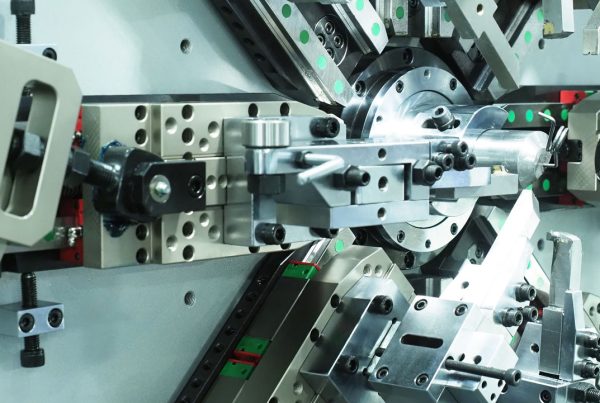
The sustainability report features Drurys Engineering, a precision engineering business that used our support to secure ISO 14001 certification. Facing increasing client demands for environmental compliance, Drurys needed a robust Environmental Management System (EMS) and verifiable waste data. Working with us, they streamlined their waste streams, improved segregation, and implemented clear tracking – all of which were critical in achieving ISO 14001 accreditation.
The partnership helped them meet the standard and also improved site efficiency, reduced waste volumes and strengthened their position with customers who require certified environmental management.
For manufacturers, it means treating waste as a performance metric rather than just an output. And this means process changes that reduce scrap, packaging, and over-ordering, and the design of reuse and recycling routes for the remaining materials. This approach directly supports the circular economy ambitions already being promoted across the UK industry.
Accessible, actionable data is key to this. Through our bespoke customer portal, manufacturers can access executive-level dashboards that break down waste volumes, routes, and compliance metrics by site and period, backed by treatment outcome reporting that shows how much material is reused, recycled, recovered, or sent to landfill.
This level of visibility is increasingly valuable as manufacturers look to strengthen ESG and Scope 3 reporting. Having waste data at their fingertips supports environmental management systems such as ISO 14001 and helps sustainability teams evidence year-on-year improvements to customers, investors and regulators.
Manufacturers need confidence that once waste leaves the gate, it is handled in ways that are both environmentally robust and compliant with duty-of-care obligations. For manufacturers operating in highly regulated markets or complex supply chains, a good governance framework is a critical part of risk management.
The findings in our sustainability report point towards a model of waste management that is proactive, data-rich and aligned with the circular economy, which is exactly the direction UK manufacturing is moving in.
By working with a waste ally that prioritises prevention, provides transparent data, and invests in decarbonisation, manufacturers can reduce costs, strengthen regulatory compliance, and make measurable progress towards net-zero goals, while supporting local communities and future talent pipelines.
Download the report today.