
For many engineering and manufacturing businesses, waste is still treated as an unavoidable cost.
Once material leaves the production process, it is simply something to remove from site as efficiently as possible.
Many waste streams — particularly metals, cardboard and plastics — retain significant value. When they are managed correctly, they can offset disposal costs and improve overall waste performance.
Commodity recovery is not about changing what you produce. It is about changing how waste is managed.
Across engineering and manufacturing sites we support, commodity materials are frequently treated as disposal waste simply because segregation systems have not evolved alongside production. In many cases, materials with recoverable value leave site as waste not through choice, but through lack of visibility and practical controls.
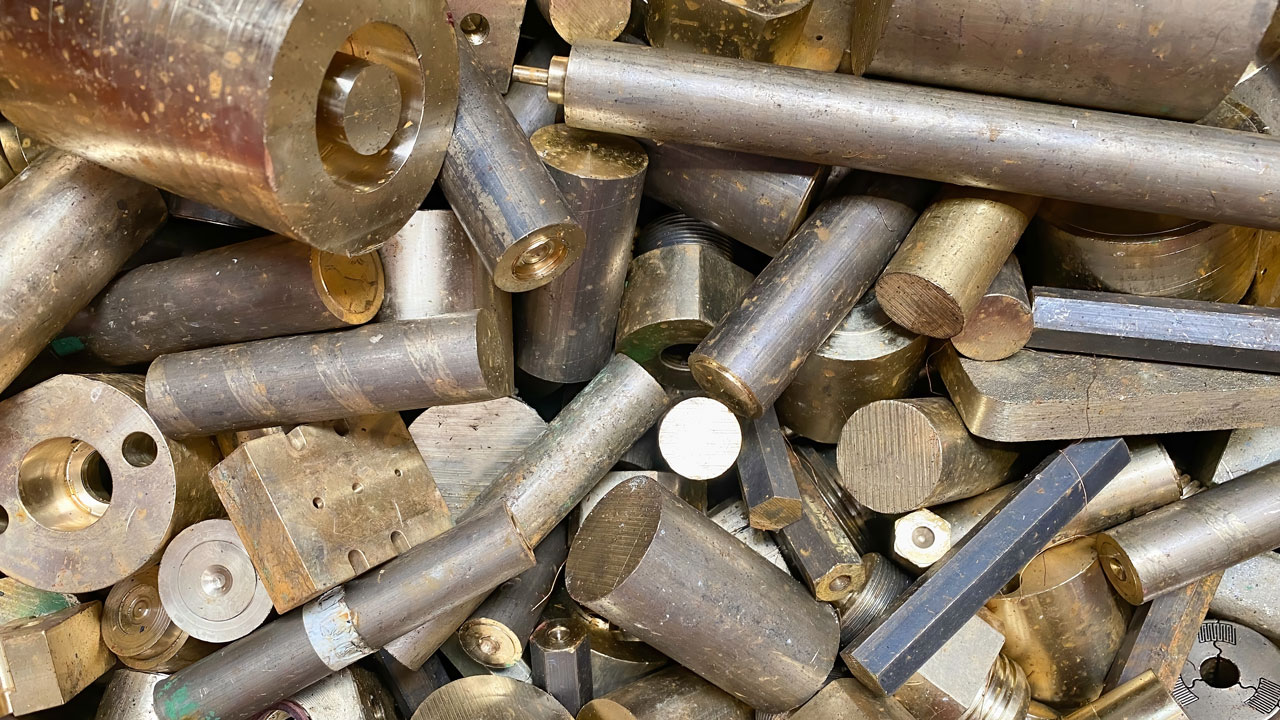
What Is commodity waste?
Commodity waste refers to materials that have a recognised market value when they are:
- Correctly segregated
- Consistently produced
- Properly handled
In engineering and manufacturing environments, this commonly includes:
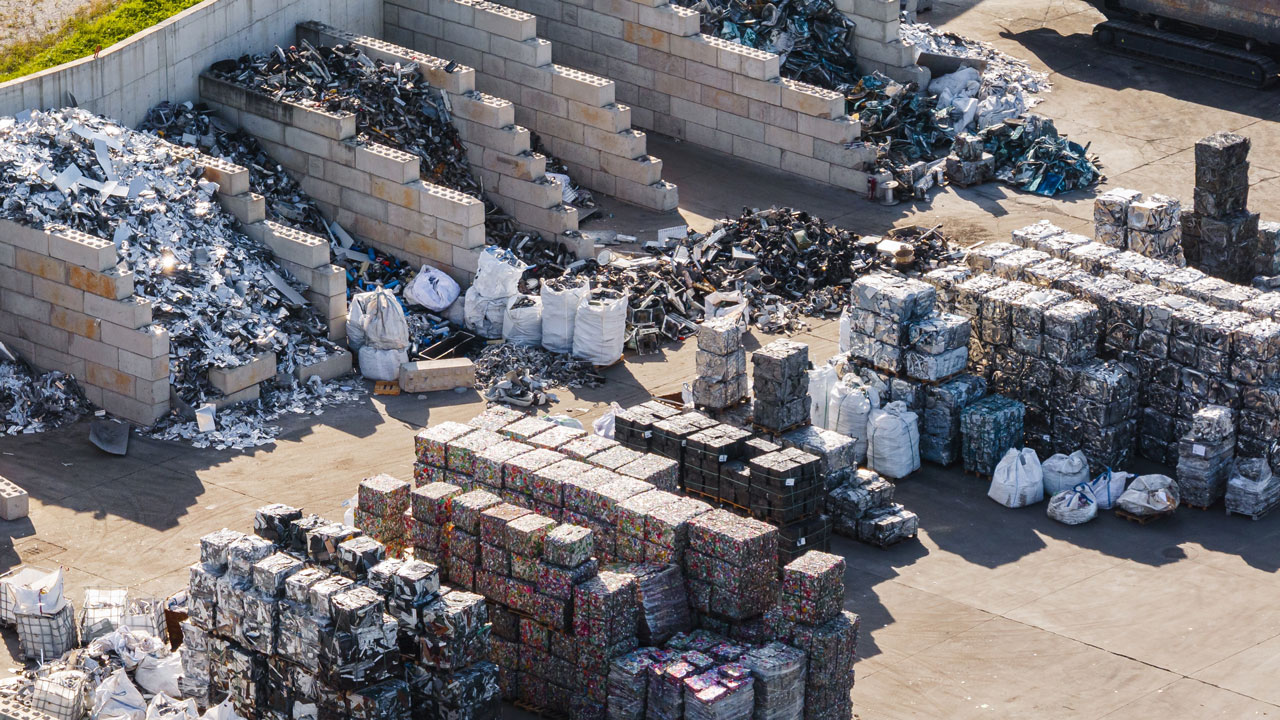
- Ferrous and non-ferrous metals
- Cardboard and paper
- Certain plastics and packaging materials
When these materials are mixed, contaminated or poorly stored, their value is lost.
Why value is often missed
Most missed recovery opportunities come down to practical issues rather than lack of intent.
Common barriers include:
- Inconsistent segregation on the shop floor
- Limited space for separate containers
- Lack of clarity on what materials are recoverable
- Contractors collecting materials as waste rather than commodities
- No visibility of volumes or recognised market value
Over time, valuable materials are treated as disposal streams by default.
Common issues on engineering & manufacturing sites
- Recoverable metals mixed with general waste
- Cardboard and packaging contaminated through poor storage or in general waste
- Inconsistent segregation between departments or shifts
- Containers positioned for convenience rather than correct use
- Commodity collections treated as waste services rather than recovery routes.
Recovering value without disrupting operations
Effective commodity recovery does not require complex processes or operational disruption.
A structured approach typically involves:
- Identifying recoverable materials by stream
- Reviewing current segregation and storage
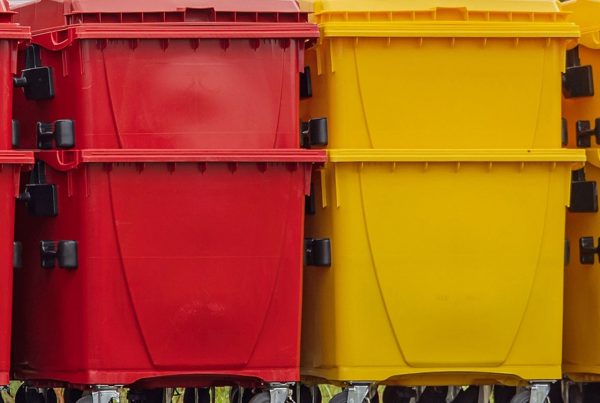
- Ensuring containers are fit for purpose
- Aligning collections to production patterns
- Using appropriate recovery outlets rather than disposal routes
Small changes in how waste is handled can lead to measurable financial improvements.
The importance of transparency
Commodity recovery only delivers value when performance is visible. In practice, recovery performance only improves when data is visible and consistent. Without clear reporting, it becomes difficult to distinguish between genuine recovery improvements and short-term changes driven by production fluctuations or market conditions.
Clear reporting allows businesses to:
- Track recovered volumes
- Understand cost offsets
- Identify trends and inconsistencies
- Demonstrate improved recycling performance
Without transparent data, recovery becomes anecdotal rather than measurable.
Supporting broader business objectives
Commodity recovery supports more than cost reduction.
For engineering and manufacturing firms, it also contributes to:
- Improved sustainability performance
- Stronger ESG reporting
- Better supplier and customer confidence
- Reduced environmental impact
Importantly, this is achieved through operational improvement rather than marketing claims.
Next step
Commodity recovery is most effective when it is treated as part of normal operational management rather than a separate initiative. With practical controls, clear data and site-specific systems, engineering and manufacturing businesses can recover value without disrupting production.
Book a Waste Review to understand where value could be recovered from your waste streams.
About Waste Mission
Waste Mission supports engineering, manufacturing and food production businesses with commodity recovery, total waste management and reporting, helping organisations improve value recovery, reduce disposal cost and maintain operational control.