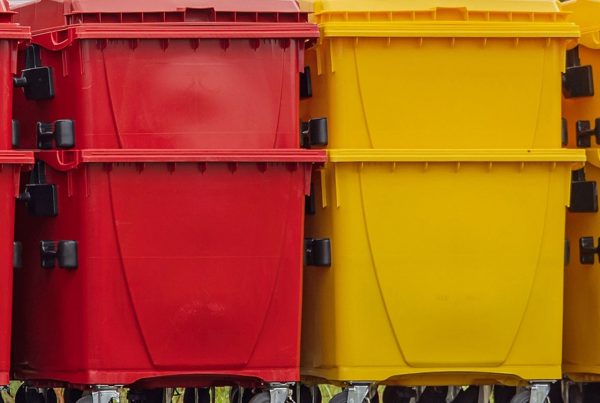

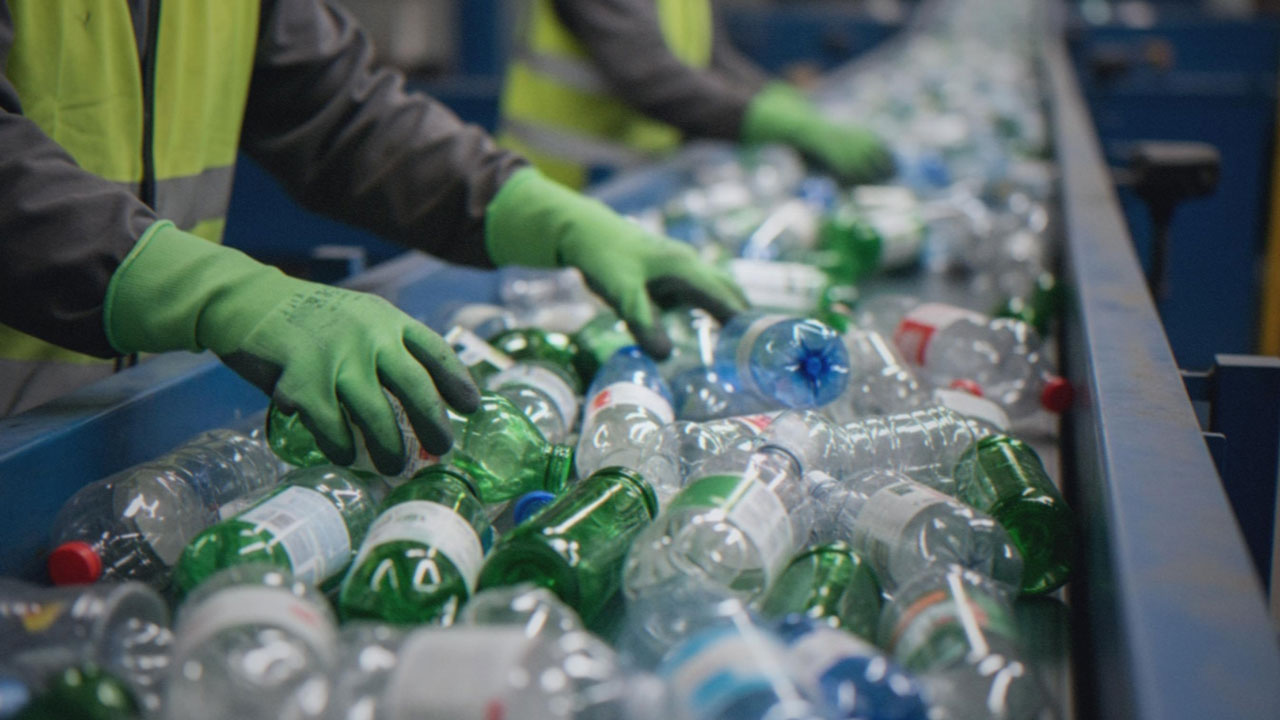
Poor waste segregation is usually only noticed when something goes wrong.
- A rejected load.
- A contamination charge.
- A fire risk concern.
- An overflowing mixed waste container.
- An issue raised during an audit.
By that point, the problem has often existed for months.
Across manufacturing, engineering and food production sites, poor waste segregation rarely starts as a major failure. More commonly, it develops gradually as operations change and waste systems fail to keep pace.
- New materials are introduced.
- Production layouts evolve.
- Containers get moved.
- Temporary solutions become permanent.
- Different shifts start handling waste differently.
Over time, segregation standards become inconsistent and operational risk increases quietly in the background. For many businesses, the issue is not lack of effort. It is lack of structure, visibility and ongoing review.
Waste segregation is an operational control
Waste segregation is often treated as a housekeeping issue. In reality, it directly affects:
- Cost
- Compliance
- Safety
- Recovery performance
- Operational efficiency
How waste is segregated determines:
- How it is classified
- How it is stored
- How it is collected
- How it is treated or disposed of
- How much it ultimately costs
When incompatible materials become mixed, problems follow quickly. This is particularly important in manufacturing and industrial environments where waste streams can include:
- Metals
- Powders
- Plastics
- Liquids
- Hazardous materials
- Combustible waste
Without clear segregation systems, the risk profile of a site changes significantly.

Poor segregation usually increases cost
One of the biggest problems with poor waste segregation is that the cost impact is rarely obvious immediately. Instead, costs tend to build gradually through:
- Contaminated recycling loads
- Recyclable materials treated as general waste
- Rejected collections
- Additional uplift requirements
- Overfilled mixed waste containers
- Reduced commodity recovery value
These costs often become absorbed into overall waste spend and accepted as normal operational expenditure. Without proper reporting and visibility, businesses may not realise how much poor segregation is actually costing them.
In practice, we regularly see manufacturing sites paying disposal costs for materials that could have been segregated and recovered far more effectively.
Why segregation breaks down
In most cases, segregation problems are not caused by people deliberately doing things incorrectly. They usually emerge because operational processes change over time while waste systems remain static. We commonly see:
- Containers no longer located where waste is produced
- Segregation systems that do not reflect current production layouts
- Temporary waste areas becoming permanent
- Inconsistent labelling between departments
- Different shifts handling waste differently
- Staff unclear on newer waste streams introduced into production
The longer this continues, the harder it becomes to maintain consistency across a site. Eventually, poor segregation becomes embedded into day-to-day operations.
Safety and fire risk
Poor waste segregation can also create serious safety risks. This includes:
- Incompatible materials being mixed together
- Combustible waste streams increasing fire risk
- Hazardous contamination spreading into otherwise stable waste
- Unsafe handling conditions for staff
These risks increase significantly where:
- Powders
- Liquids
- Aerosols
- Oily materials
- Batteries
- Flammable waste streams
are present on site. In many cases, waste segregation failures are first identified following:
- Near misses
- Fires
- Spills
- Environmental incidents
- External audits
By then, operational disruption has often already occurred.
Compliance problems often start with segregation
Poor waste segregation directly affects compliance. If waste is incorrectly segregated, businesses may also face:
- Incorrect waste classification
- Inaccurate waste transfer documentation
- Contamination breaches
- Duty of Care concerns
- Inconsistent reporting during audits
Even where waste is removed by contractors, responsibility does not end when the vehicle leaves site. Businesses are expected to demonstrate that waste has been handled, stored and classified correctly, in line with the latest UK Government guidance on “Simpler Recycling” for workplaces.
Businesses are still expected to demonstrate that waste has been handled, stored and classified correctly.
Without clear segregation controls, this becomes much harder to evidence consistently.
Multi-site operations create additional risk
For multi-site manufacturing businesses, segregation consistency becomes even harder to manage. Different sites often:
- Use different containers
- Apply different labelling systems
- Train staff differently
- Work with different waste contractors
This creates inconsistent waste handling standards across the wider business. Without regular review and central oversight, operational risk increases because sites begin managing similar waste streams in completely different ways.
A structured waste management approach helps standardise segregation systems across locations, improving:
- Consistency
- Reporting
- Recovery performance
- Compliance visibility
Better segregation does not need to be complicated
Improving poor waste segregation is usually less about complexity and more about practicality. The strongest systems are normally the simplest operationally. Effective segregation typically involves:
- Reviewing waste streams regularly
- Ensuring containers are fit for purpose
- Positioning waste areas where materials are actually produced
- Keeping labelling clear and consistent
- Adapting systems as production changes
- Reinforcing expectations through straightforward training
When segregation reflects how a site actually operates, compliance and recovery performance become much easier to maintain.
Waste segregation should be reviewed regularly
One of the most common issues we see is businesses assuming segregation systems are still working simply because no major problems have been reported.
In reality, waste systems can drift significantly over time. Production changes, supplier changes, staffing changes and operational growth all affect how waste behaves on site. Without regular review:
- Inefficiencies become normalised
- Additional cost becomes embedded
- Risk increases gradually
- Reporting becomes less reliable
Waste segregation should be reviewed in the same way businesses review other operational systems — regularly and practically.
Next step
If waste segregation standards have become inconsistent, it may already be affecting:
- Cost
- Recovery rates
- Compliance
- Operational control
A structured review can identify practical improvements that reduce risk and improve visibility without disrupting operations.
Book a waste review to understand where segregation systems could be improved across your site. You can also book a Waste Mission Portal demo.
About Waste Mission
Waste Mission supports manufacturing, engineering and industrial businesses with structured waste management services, segregation improvement and compliance support, helping organisations reduce operational risk, improve recovery performance and maintain consistent waste controls across sites.