
Manufacturing waste containers are often viewed as simple storage equipment, but the right containment solution can have a significant impact.
It can improve operational efficiency, health and safety, waste segregation and overall industrial waste management costs. Choosing suitable containers isn’t simply about capacity. It involves understanding how waste is generated, how materials move around the site and how collections fit within production.
Across manufacturing, engineering and food production businesses we support, container arrangements often evolve over time. As operations change, containers that were once appropriate may no longer support the way the site actually works.
Why manufacturing waste container selection matters
Waste containers influence far more than waste storage. The right solution can help businesses:
- Improve waste segregation
- Reduce unnecessary manual handling
- Improve housekeeping standards
- Optimise collection frequencies
- Maximise commodity recovery
- Improve site appearance
Poorly matched containers often create operational inefficiencies that become accepted as normal.
Common issues we see
During waste reviews we frequently identify:
- Containers that are too large or too small
- Multiple containers for similar waste streams
- Overflowing or under-utilised containers
- Poor container locations
- Excessive movement of waste around site
- Collection schedules that no longer reflect production
These issues rarely arise because of poor planning. More often, they develop gradually as sites expand or production changes.
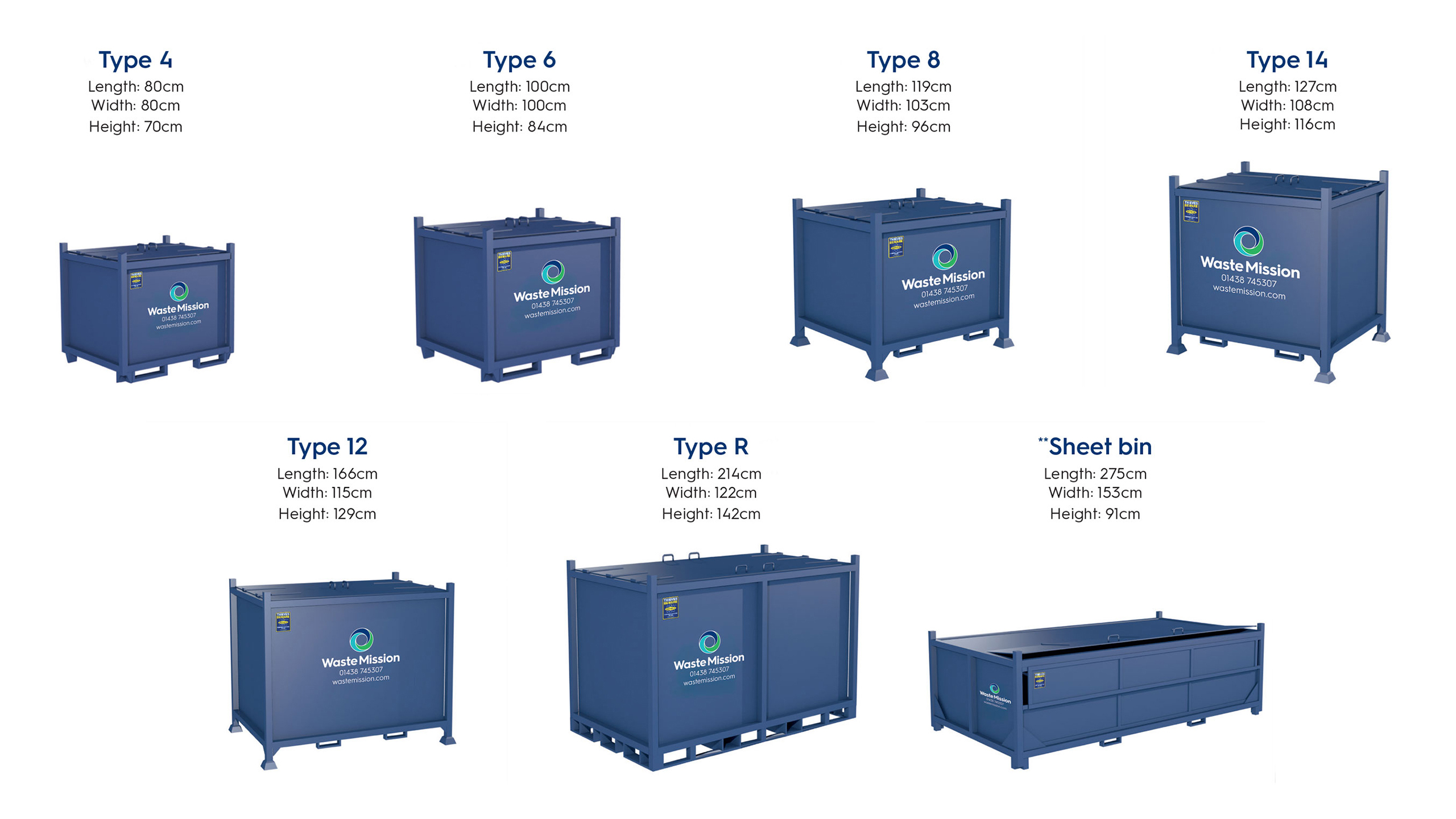
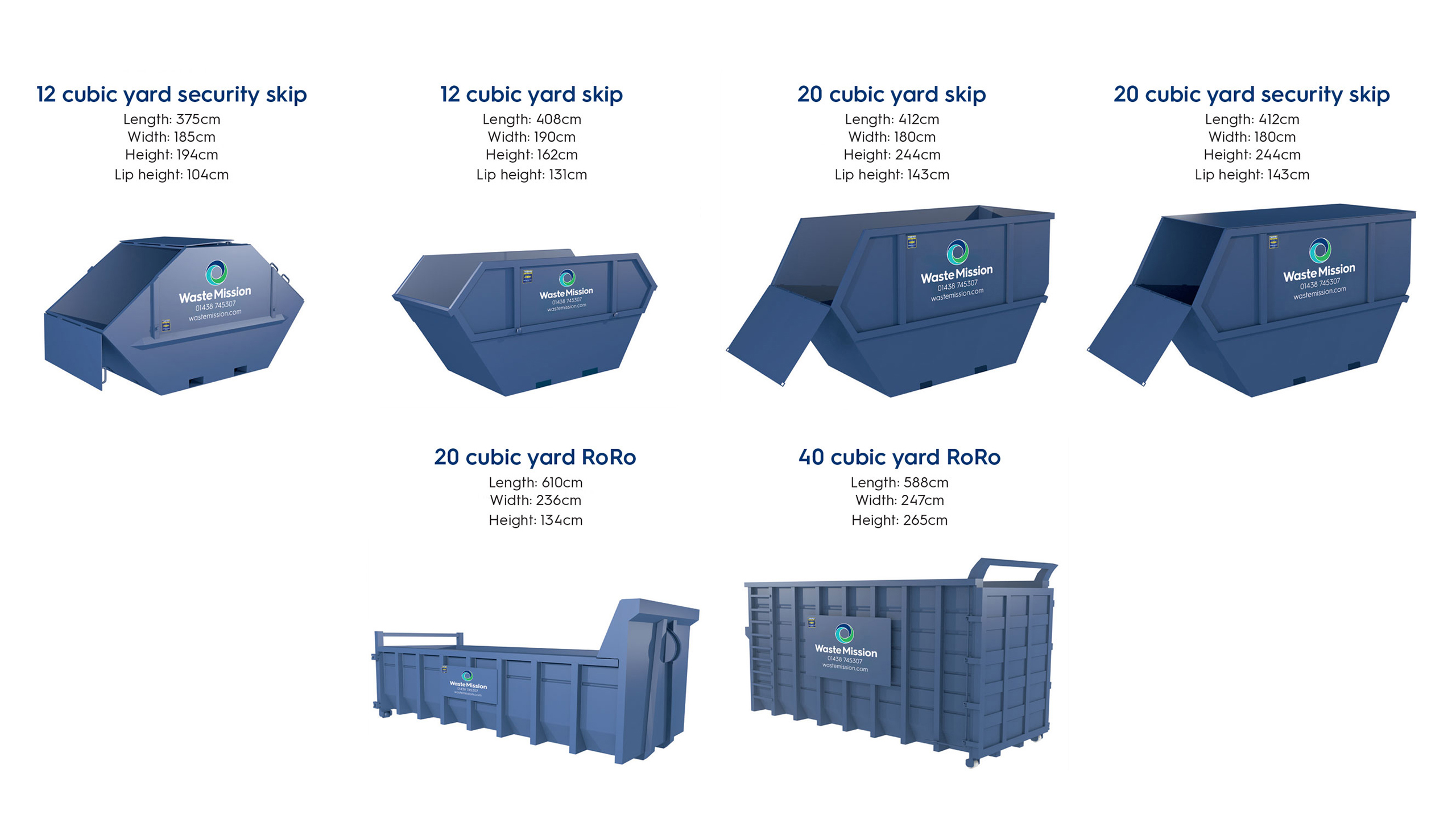
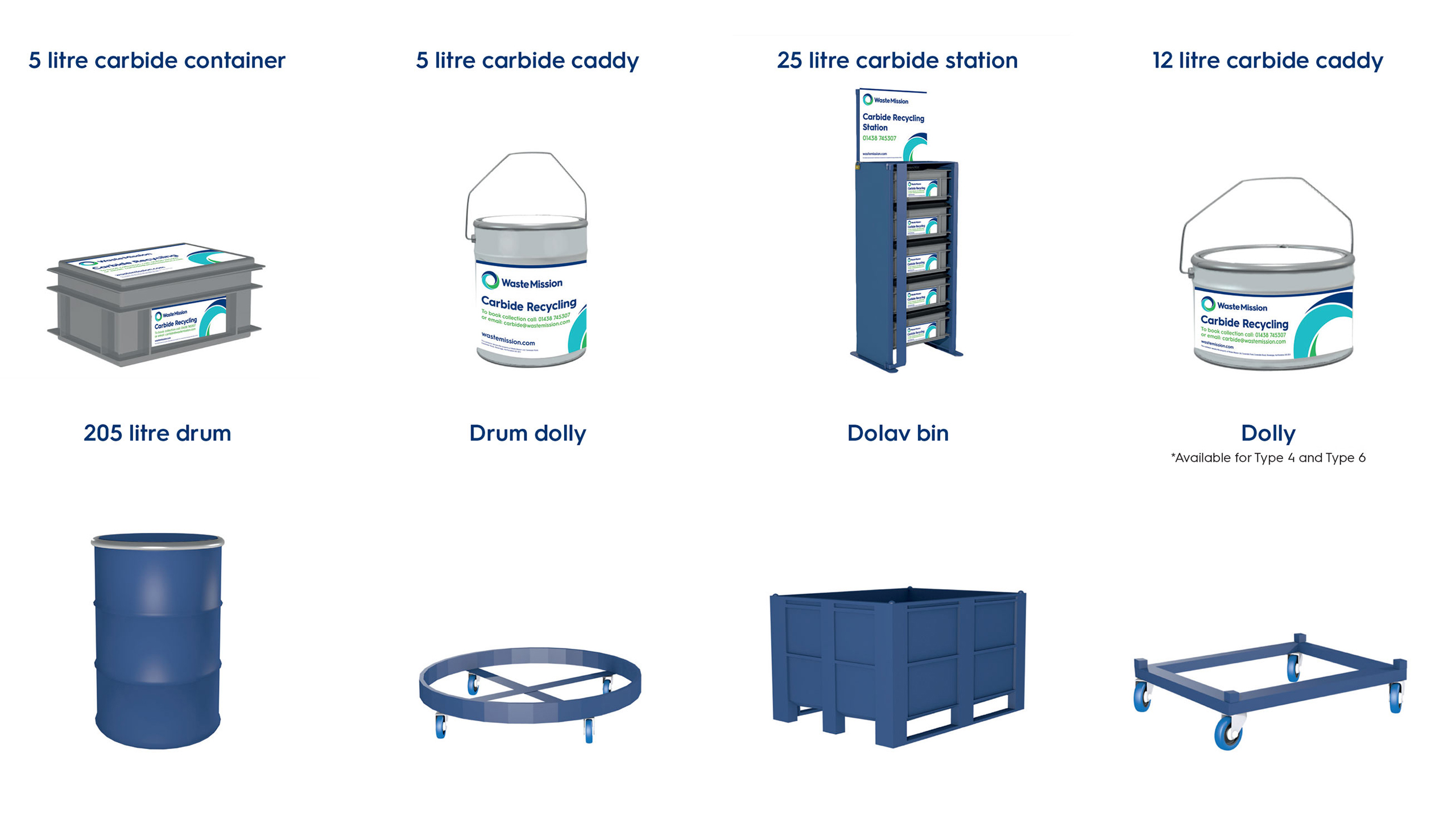
Matching containers to operational requirements
Effective containment should consider:
- Waste type and volume
- Available site space
- Vehicle access
- Collection frequency
- Production flow
- Health and safety requirements
- Opportunities to improve segregation
Every manufacturing site is different, so manufacturing waste containers should reflect operational requirements rather than a standard specification.
Supporting safer and more efficient operations
Appropriate containment can contribute to:
- Reduced manual handling (HSE guidance)
- Improved housekeeping
- Better waste segregation
- Reduced vehicle movements
- Improved site efficiency
- Greater consistency across waste streams
These improvements often support wider operational objectives beyond waste management alone.
Reviewing container requirements regularly
Container requirements should be reviewed as operations evolve.
Changes to production, staffing, materials or site layout can all affect how waste should be managed.
Regular reviews help ensure containment continues to support operational performance while avoiding unnecessary costs or inefficient working practices.
Next step
If your waste containers have remained unchanged despite changes to production or site operations, there may be opportunities to improve efficiency, safety and waste performance.
A structured Waste Review can identify practical containment improvements that better support the way your business operates.
Book a Waste Review to discuss how Waste Mission can help optimise your waste management systems.
About Waste Mission
Waste Mission supports manufacturing, engineering and food production businesses with total waste management, waste containment solutions and structured waste reviews, helping organisations improve operational efficiency, strengthen compliance and maintain better control over waste management.