
Waste collection schedules are often established when a contract begins and then remain unchanged for years.
However, manufacturing businesses are constantly evolving. Production levels change, waste streams fluctuate and operational priorities shift. Collection frequencies that were once appropriate may no longer reflect how the site actually operates.
Optimising collection schedules is not about collecting waste less often. It is about ensuring collections are aligned with operational requirements, improving efficiency without compromising safety, compliance or productivity.
Across manufacturing, engineering and food production businesses we support, collection frequencies are one of the most common areas where practical improvements can be identified during a structured waste review.
Why collection frequencies drift over time
Operational change happens gradually.
As production increases, decreases or changes, waste collection schedules often remain exactly as they were originally agreed.
This can lead to:
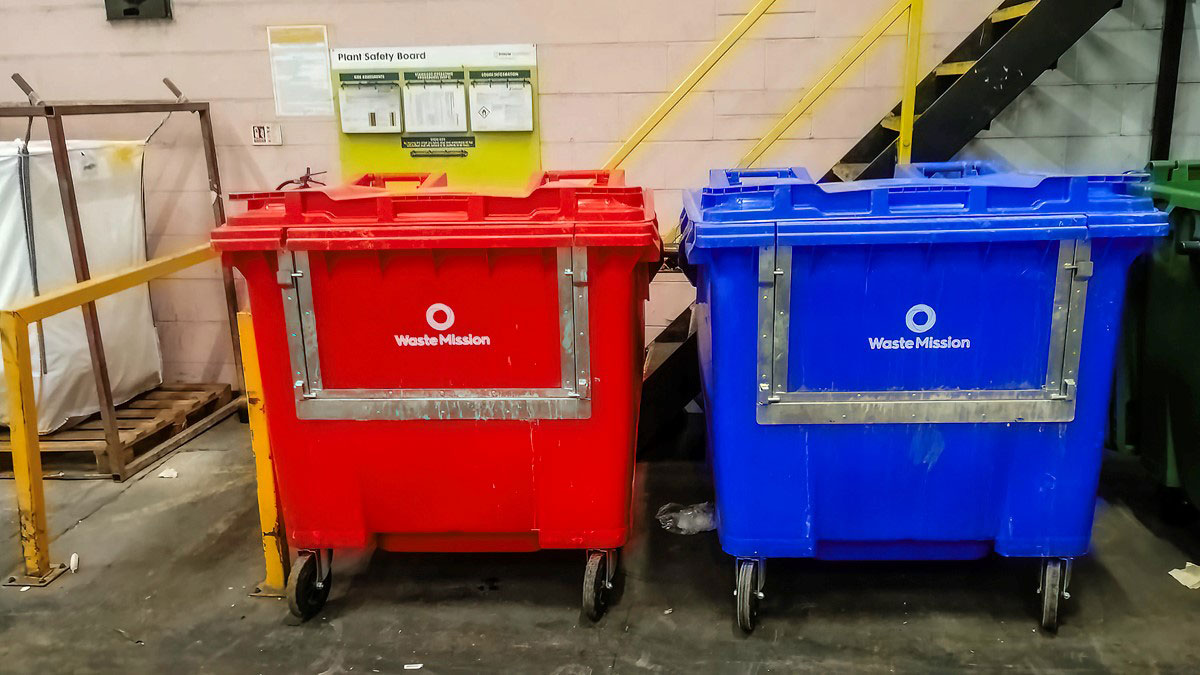
- Containers being emptied before they are full
- Overflowing containers during busy periods
- Unnecessary vehicle movements
- Increased transport costs
- Inefficient use of waste storage space
These issues rarely develop overnight but can become accepted as part of normal operations.
What we commonly see
During manufacturing waste reviews we frequently identify:
- Collection schedules based on historic production levels
- Different collection frequencies for similar waste streams
- Containers emptied regardless of utilisation
- Seasonal production changes not reflected in service levels
- Opportunities to consolidate collections
These situations often present opportunities to improve both operational efficiency and cost control.
The benefits of optimised collections
Reviewing collection frequencies can help businesses:
- Improve operational efficiency
- Reduce unnecessary transport
- Make better use of available space
- Improve housekeeping standards
- Support waste segregation
- Improve cost visibility
The objective is to match industrial waste services to operational demand rather than relying on historic arrangements.
Supporting continuous improvement
Collection frequencies should be reviewed alongside wider waste management arrangements.
Changes to production, staffing or site layout can all affect how often waste needs to be collected.
Regular reviews ensure services continue to support manufacturing operations efficiently while maintaining compliance and operational standards, in line with HSE guidance on waste and recycling.
Next step
If waste collection schedules have remained unchanged despite changes to production or site operations, there may be opportunities to improve efficiency and reduce unnecessary costs.
A structured Waste Review can help ensure collection frequencies are aligned with the way your business operates today.
Book a Waste Review to discuss how Waste Mission can help optimise your waste management services.
About Waste Mission
Waste Mission supports manufacturing, engineering and food production businesses with total waste management, structured waste reviews and transparent reporting, helping organisations improve operational efficiency, strengthen compliance and optimise waste collection services.