

Manufacturing sites rarely set out to manage waste poorly.
In most cases, systems evolve over time — responding to operational changes, new waste streams and supplier arrangements as they arise.
This manufacturing waste management case study shows how a business improved cost control, compliance confidence, and operational visibility by reviewing waste practices across its site.
This scenario reflects a pattern we regularly see across manufacturing sites. Waste systems are often put in place to meet immediate operational needs, then remain largely unchanged as production volumes, materials and compliance expectations evolve. Over time, this creates inefficiency without any single point of failure.
The challenge facing this manufacturing waste management case study
The site operated a busy manufacturing process generating:
- General and recyclable waste
- Hazardous materials
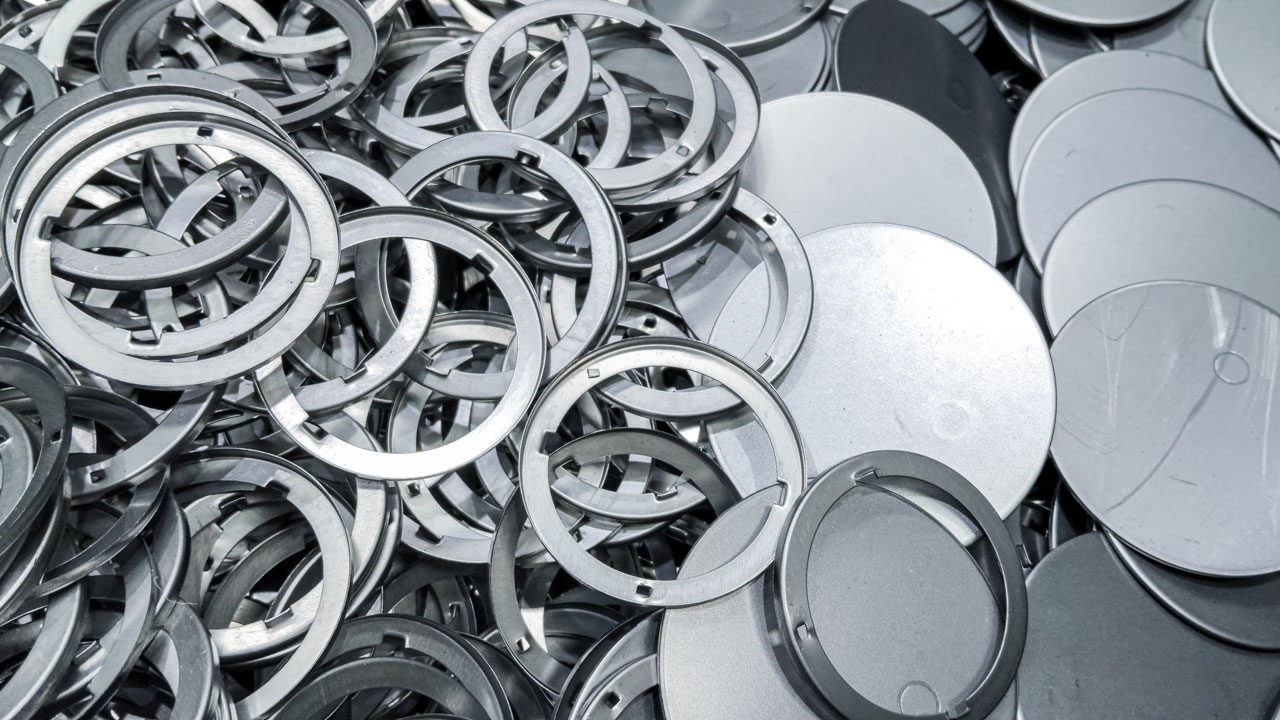
- Commodity streams including metals and packaging
Waste management services had developed incrementally, resulting in:
- Multiple suppliers
- Limited visibility of total waste spend
- Inconsistent segregation
- Fragmented documentation
Although collections were largely reliable, the business had little confidence that waste was being managed as efficiently or transparently as possible.
A structured review is the most effective way to identify waste reduction opportunities, as promoted by the UK Government’s former Envirowise programme.

What we commonly see on manufacturing sites
- Waste services added incrementally over time
- Limited visibility of total waste cost and performance
- Recyclable or recoverable materials treated as general waste
- Documentation held across multiple suppliers
- Waste managed reactively rather than through regular review
The review process
A structured waste review was carried out, focusing on:
- Mapping all waste streams produced on site
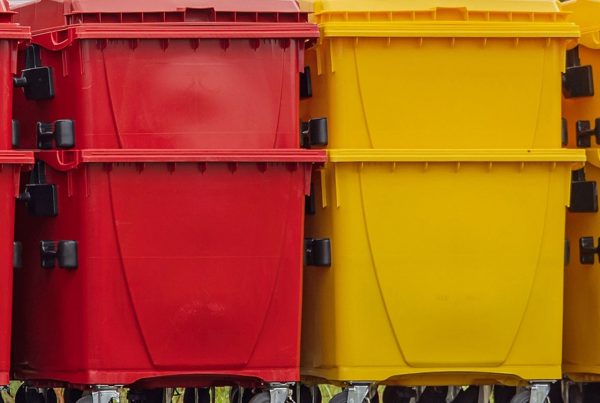
- Reviewing container provision and locations
- Assessing segregation practices
- Evaluating collection frequencies
- Reviewing compliance documentation and reporting
The review looked at waste as a single system, rather than individual services.
Key findings
The review identified several improvement opportunities, including:
- Over-servicing of certain waste streams
- Recyclable and commodity materials being disposed of as general waste
- Inconsistent segregation practices across shifts
- Limited reporting visibility for management
None of these issues were operational failures — they were the result of systems that had not been reviewed as the site evolved.
The solution
Improvements were implemented without disrupting production, including:
- Rationalising containers and collection schedules
- Improving segregation through clearer waste stream definitions
- Introducing recovery routes for commodity materials
- Consolidating waste reporting into a single platform via the Waste Mission Portal
In practice, the most effective changes were those that aligned waste systems with how the site actually operated. Rather than introducing new complexity, the focus was on simplifying services, improving clarity and ensuring changes were practical for day-to day use.
The outcome
Following the review and implementation:
- Waste management costs were reduced
- Recycling and recovery rates improved
- Compliance documentation became easier to access
- Management gained clear visibility of waste performance
Importantly, waste became a managed operational function, rather than a background cost.
Lessons for other manufacturers
This case highlights a common reality: waste performance rarely improves through isolated changes.
Meaningful improvement comes from:
- Reviewing waste as a complete system
- Using data to inform decisions
- Aligning systems with operational reality
- Maintaining visibility over time
Next step
This case highlights how waste performance improves when it is reviewed as a complete system rather than a collection of services. With clear visibility, practical controls and ongoing oversight, manufacturing sites can improve cost control, compliance confidence and operational efficiency simultaneously.
Book a waste review to discover how your manufacturing site could improve cost control, compliance and operational efficiency.
About Waste Mission
Waste Mission works with manufacturing, food production and engineering businesses to improve waste performance across their operations through structured reviews, total waste management and transparent reporting, helping organisations reduce costs, manage risk and gain operational clarity.