
Hazardous waste management in manufacturing should form part of the overall waste management strategy.
When hazardous waste arrangements evolve over time without review, businesses can introduce unnecessary cost, operational inefficiency and compliance risk. Most issues aren’t caused by a lack of awareness. More often, they develop gradually as production changes, waste streams evolve and operational priorities shift.
Across manufacturing, engineering and food production businesses we support, hazardous waste reviews rarely identify major compliance failures. Instead, they highlight practical improvements that strengthen operational control and reduce unnecessary risk.
Why hazardous waste requires regular review
Hazardous waste management isn’t static. New production processes, different materials, changing legislation and evolving customer requirements all influence how hazardous waste should be managed.
Without regular review, businesses can find themselves relying on arrangements that no longer reflect operational reality.
Mistake 1 – Not reviewing waste classifications
As manufacturing processes change, waste classifications may also change. Regular reviews help ensure waste streams continue to be managed correctly and that disposal routes remain appropriate.
As manufacturing processes change, waste classifications may also change. Regular reviews help ensure waste streams continue to be managed correctly and that disposal routes remain appropriate. This process is not just good practice but also a legal requirement to classify waste before it is collected, disposed of, or recovered.
Mistake 2 – Treating hazardous waste as a standalone service
Hazardous waste management in manufacturing should form part of the overall waste management strategy. Managing it in isolation can create duplication, inconsistent reporting and reduced operational visibility.
Mistake 3 – Poor segregation
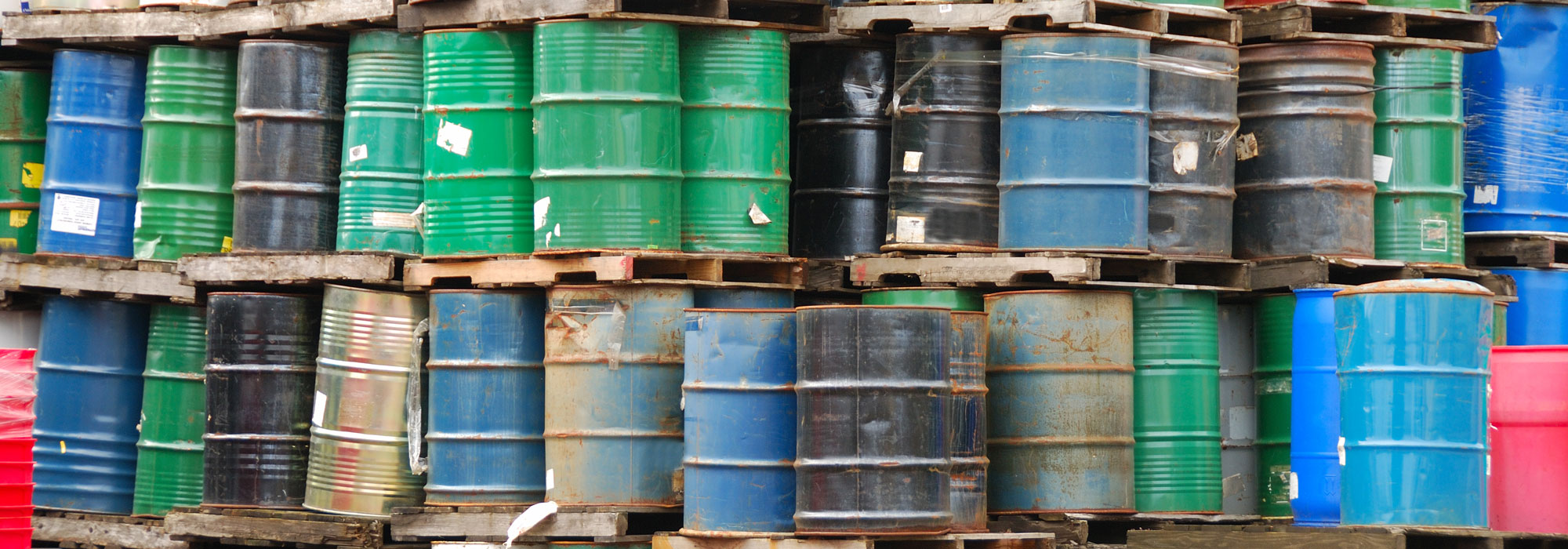
Incorrect segregation can increase disposal costs and complicate collections. Clear waste stream definitions and appropriate containment help reduce contamination and improve operational efficiency.
Mistake 4 – Limited visibility of documentation
Businesses should be able to access hazardous waste documentation quickly and confidently. Maintaining accurate records supports audits, customer enquiries and regulatory compliance.
Mistake 5 – Allowing arrangements to become outdated
Many hazardous waste systems remain unchanged for years despite significant changes to production. Regular reviews help ensure services continue to match operational requirements.

A structured approach reduces risk
Effective hazardous waste management should support:
- Compliance confidence
- Operational efficiency
- Clear reporting
- Appropriate segregation
- Safe handling
- Consistent documentation via Waste Mission Portal
When hazardous waste is reviewed alongside other waste streams, businesses gain better visibility and greater operational control.
Next step
If hazardous waste arrangements have evolved alongside your operation without a structured review, there may be opportunities to improve efficiency, strengthen compliance and reduce unnecessary risk.
A Waste Review can help ensure hazardous waste management continues to support your wider manufacturing operation.
Book a Waste Review to discuss how Waste Mission can support your business.
About Waste Mission
Waste Mission supports manufacturing, engineering and food production businesses with total waste management, hazardous waste services and structured waste reviews, helping organisations strengthen compliance, improve operational control and reduce unnecessary waste management costs.