
Waste management is often viewed as a service that only needs attention when something goes wrong.
Collections happen, waste leaves site, and manufacturing waste reviews are often overlooked as operations continue.
However, manufacturing sites change constantly. Production volumes fluctuate, new materials are introduced, layouts evolve and customer requirements become more demanding. Waste systems that once worked well can gradually become inefficient without anyone noticing.
Regular manufacturing waste reviews help ensure waste management continues to support operational performance rather than becoming an unnecessary cost or compliance risk.
Across the manufacturing, engineering and food production businesses we support, waste reviews often identify smaller inefficiencies that have developed over time and can be resolved through practical improvements.
Why waste performance changes over time
Manufacturing operations rarely stand still.
As businesses grow and adapt, waste management arrangements often remain unchanged despite significant changes elsewhere on site.
Common examples include:
- Production increases without reviewing collection frequencies
- New waste streams introduced alongside existing arrangements
- Containers remaining in locations that no longer suit operations
- Changes in staffing or working practices affecting segregation
- Contracts rolling over without performance reviews
Individually these issues may seem minor, but collectively they can increase costs and reduce operational efficiency.
What we commonly see during manufacturing waste reviews
A structured waste review frequently identifies:
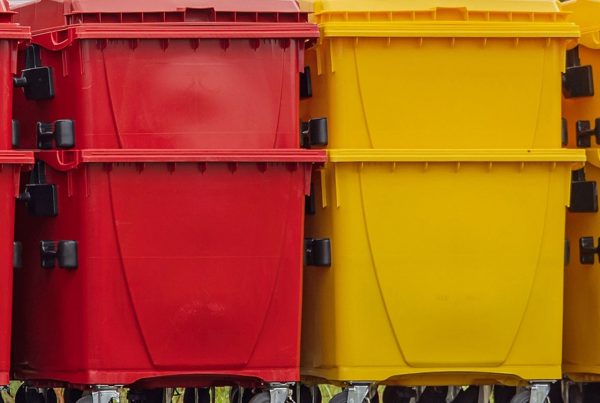
- Containers that are too large or too small for current requirements
- Over-servicing or unnecessary collections
- Recoverable materials entering general waste
- Inconsistent segregation between departments or shifts
- Limited reporting visibility for management
- Multiple suppliers providing overlapping services
These are rarely caused by poor management. They usually reflect operational changes that have not been reviewed over time.

What a structured waste review should include
An effective waste review looks beyond collection schedules.
Typical areas include:
- Waste stream analysis
- Container suitability
- Collection frequency
- Site layout and waste flow
- Segregation practices
- Compliance documentation
- Reporting and data visibility
- Opportunities to improve recovery and reduce disposal
The objective is to understand how total waste management supports the wider operation rather than reviewing individual services in isolation.
The operational benefits
Regular waste reviews can help businesses to:
- Improve waste segregation
- Reduce avoidable disposal costs
- Recover greater value from recyclable commodities
- Improve reporting and management visibility through the Waste Mission Portal
- Strengthen compliance confidence
- Align services with current production requirements
Most improvements are achieved through better alignment rather than major operational change.
Waste reviews support continuous improvement
Manufacturing businesses routinely review production, quality, maintenance and health and safety performance.
Waste management should be reviewed in the same way.
Regular reviews help ensure systems continue to meet operational requirements, support compliance and adapt as the business changes.
Rather than waiting for problems to develop, businesses can identify improvement opportunities early and make informed decisions using accurate operational data.
Next step
If your waste arrangements have evolved alongside your business without a formal review, there may be opportunities to improve efficiency, visibility and cost control.
Regular waste reviews provide a structured way to ensure waste management continues to support manufacturing performance as operations evolve.
Book a Waste Review to discuss how Waste Mission can help optimise your waste management systems.
About Waste Mission
Waste Mission supports manufacturing, engineering and food production businesses with industrial waste management, structured waste reviews and transparent reporting, helping organisations improve operational performance, strengthen compliance and maintain long-term control over waste management.