
“Secure” is an easy word to say…
It is much harder to evidence
In the Defence Supply Chain, secure destruction is not a disposal service. It is a risk control process. If materials leave site and you cannot clearly demonstrate what happened next, the exposure does not disappear. It moves.
What secure destruction for defence should actually involve
Secure destruction for defence should be structured, documented and permit-backed. At minimum, it requires:
- Controlled collection
- Documented chain of custody
- Appropriate physical destruction
- Processing under a valid Environmental Permit
- Certificates of Destruction issued as standard
Anything less is assumption. And assumption does not stand up to audit.
Responsibility does not end at collection
Once sensitive materials leave site, accountability does not transfer automatically. Procurement teams and compliance leads are increasingly asked:
- Who handled the material?
- Where was it processed?
- Under what permit?
- What documentation exists?
- How was residual metal treated?
If answers rely on email chains or verbal assurances, that is not secure destruction. That is optimism.
Secure metal destruction and material recovery
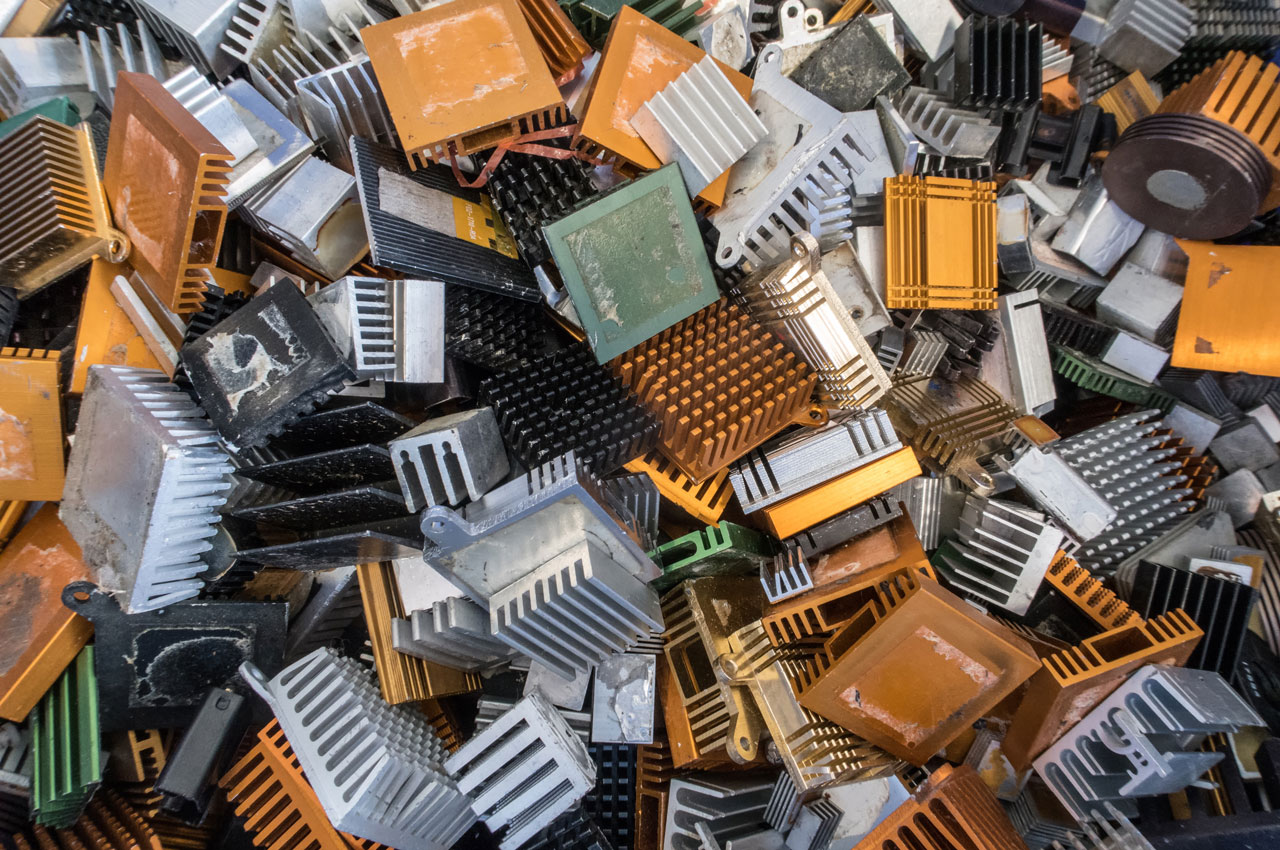
Secure destruction for defence often involves aluminium, copper, steel or specialist alloys. Physical destruction removes the functional risk. Structured material recovery removes the commercial blind spot. If metal is destroyed but not properly accounted for post-processing, value and traceability are both diluted.
Secure metal destruction should:
- Remove operational risk
- Preserve documentation integrity
- Maintain material traceability
- Capture recoverable value properly
Compliance and commercial intelligence should align.
What defence procurement should expect
A defence secure destruction provider should be able to demonstrate:
- Defined handling procedures
- Controlled transport
- Permit-backed processing
- Certificates linked to specific consignments
- Clear downstream recycling routes
Without improvisation.
Without ambiguity.
Without relying on trust alone.

Reviewing secure destruction ahead of DPRTE
With DPRTE approaching, many defence contractors are reviewing supplier controls within their supply chains. Secure destruction is often assumed to be “covered.” It is worth challenging that assumption. If secure destruction arrangements were tested tomorrow, would the documentation stand up cleanly?
We will be at DPRTE: Stand 223/224
One simple test
If asked to produce destruction records for a specific consignment within ten minutes, could you? If not, the process is not fully controlled. Secure destruction for Defence should remove uncertainty, not create it.
We will be at DPRTE: Stand 223/224