
Let’s be honest, Christmas isn’t traditionally a time for frugality. Excess is almost inevitable. But there is good news – you really don’t have to be a grinch to have a sustainable Christmas celebration that minimises waste from the outset – so you can feast, and embrace a circular Christmas at the same time.
The UK typically generates 3 million tonnes of waste during the festive season. But it is possible to have a Christmas celebration that ensures that every seasonal choice from manufacturing production lines to office parties minimises waste and adds value in a way that is good for the planet and the bottom line – embracing the circular economy.
A circular Christmas is not about denying fun; it’s about ensuring that every detail, from packaging to office parties, is aligned with your company's purpose and values.
But the journey really begins long before the first decorations go up or the catering is ordered for the staff party. It calls for an upfront audit of what typically happens in December. This means tracking where most waste is generated, how materials are used, and where opportunities exist to design out waste entirely.
Consider looking at your festive footprint across the business, from how products are manufactured and packed, to the kind of decorations you choose for the office and communal areas, down to the gifts and catering supplies to staff. Set measurable targets and push for transparency and circularity from the start.
A positive production line
Across the manufacturing floor or warehouse, the move towards a circular Christmas can have real commercial benefits. Work with suppliers in advance to strip out unnecessary packaging and request alternatives made from recycled, compostable, or easily recyclable materials.
For seasonal product runs, decorations and fittings should be made to last, with parts that can be swapped, refreshed, or even returned to the supplier for repurposing or recycling, ready for next year’s celebrations.
Purposeful packaging
Manufacturers could consider offering consolidation on gift orders and transit packaging to cut down redundant shipping, optimise loads and reduce the total amount of material needed to support the festive rush.
We also throw away an estimated 227,000 miles of wrapping paper each year at Christmas. But you can head this off by promoting the use of recycled and uncoated paper throughout any wrapping decisions.
Why not implement the “scrunch test”? If it stays scrunched up, it’s likely to be recyclable. Try to avoid foil or glitter-coated materials wherever possible, as they are rarely accepted in mainstream recycling, while branded or premium packaging should be designed for disassembly and recycling or reuse.
Storage for sustainability
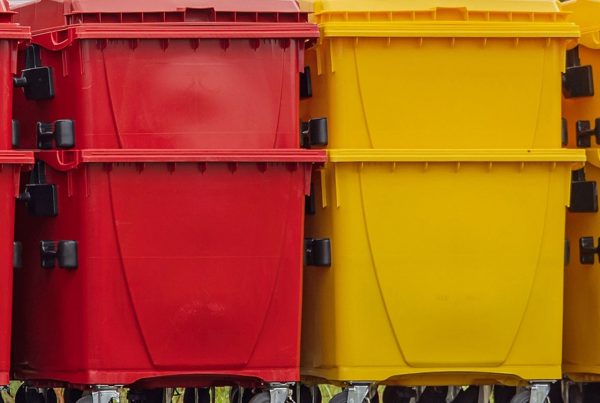
In any communal and event spaces, clear waste segregation is crucial for circularity. Making recycling and composting “the path of least resistance” is key to this. Use bright, clear signage, hold staff training sessions and ensure bins for recycling, food waste, batteries and even small electrical items (WEEE) are visible and easy to use. Consider LED lights, which will last longer and will mean reduced waste because you’ll be able to use them year after year.
When it comes time to pack away the celebrations, label and store decorations carefully so they can keep circulating year after year, or pass them on to other teams if styles change.
Oh Christmas tree
Christmas trees offer a classic dilemma for anyone seeking a circular festive season. A real tree can seem like a waste, but a fake tree can feel like just buying more plastic. In fact, according to the Carbon Trust, a two-metre artificial tree has a carbon footprint of around 40kg. You’d need to re-use an artificial tree 10 times to offset its carbon footprint, says the Soil Association. However, it’s estimated that fake trees are used only four times. The Soil Association recommends a real tree, suggesting looking for a Forest Stewardship Council (FSC) certified tree that’s organic and local for the least environmental impact or even a living Christmas tree that can stay at your workplace all year round. When recycling, look for local authority mulching schemes or start your own company compost pile.
Party on
Office parties and staff events represent a great opportunity to start as you mean to go on. In practice, this could mean replacing disposable decorations and plastic tableware with reusable options, hiring crockery, or ensuring circular Christmas decorations by making festive centrepieces out of reclaimed or upcycled materials.
If you’re holding a themed event, why not consider more eco-friendly experiences, such as office craft workshops using offcuts, reclaimed materials, or natural finds from the grounds? Or maybe hold an upcycled clothing day or celebrate something like Save The Children’s Christmas Jumper Day, which takes place on the third Friday in December and encourages people to upcycle old Christmas jumpers. Activities like this avoid the waste and environmental harm of fast fashion but also get your teams working together to create great memories and reduce waste.
Green feasting
The Christmas meal, whether hosted by the canteen or at an off-site venue, creates some of the greatest waste each year. We throw away more than 4 million Christmas dinners each year.
But it doesn’t have to be like this. Accurate headcounts, careful menu planning and partnerships with caterers who prioritise low-waste options and plant-based menus can all make a substantial difference up front.
Try to work out quantities from previous years’ events and resist the temptation to bulk-buy. Of course, sometimes overcatering is inevitable, but linking up with food charities or local food-sharing schemes means unopened goods or catering leftovers can be put to good use. For what’s left, compost bins should be available on site, or food waste collections arranged where feasible, to avoid landfill.
Sustainable Santa
Secret Santa is a long-held office tradition of swapping presents with a stranger or choosing a gift for someone you don’t know very well. This is easily re-imagined with pre-loved gifts, second-hand items, vouchers, or charitable donations in lieu of more plastic-wrapped, novelty items destined for landfill by New Year’s Day. Beautiful gifts don’t have to cost the earth.
Even the simple act of switching to e-cards, or printed cards made from recycled stock, makes a statement about low-waste intentions, particularly if recycling bins are provided everywhere, clearly labelled and well-communicated.
Carry it forward
A circular approach helps deliver cost savings, regulatory compliance and brand enhancement. But, beyond taking the obvious initial steps, true circularity needs everyone in the business to be on board. This means celebrating team efforts, sharing stories of upcycled decorations, tracking how much food has been donated or composted versus sent to landfill and offering recognition or rewards for creative or effective waste reduction.
Many companies now make a note of annual reductions in festive waste, and this can be a good motivator.
If you’d like some help in improving your company’s circularity, book a waste review with us now to streamline your waste management and unlock valuable resources: https://wastemission.com/book-a-waste-review/